The old name can end. The calling does not.
For more than ten years, one question has followed me everywhere: What does Rustbelt Mayberry mean?I've never minded answering it. I loved that people asked. The name opened the door to conversations about community, belonging, storytelling, and the places that shape us. But after a decade of explaining it, I've come to realize that the answer was always more complicated than the shorthand version I usually gave.
Because Rustbelt Mayberry was never about nostalgia. The Mayberry that interested me wasn't a real place. It was an aspiration.
A way of imagining what becomes possible when people feel connected to one another and invested in the place they call home. What I loved about that fictional town had very little to do with picket fences or simpler times. It was the underlying belief that everybody mattered, that problems could be worked through together, that a community was only as strong as the willingness of ordinary people to care for it.
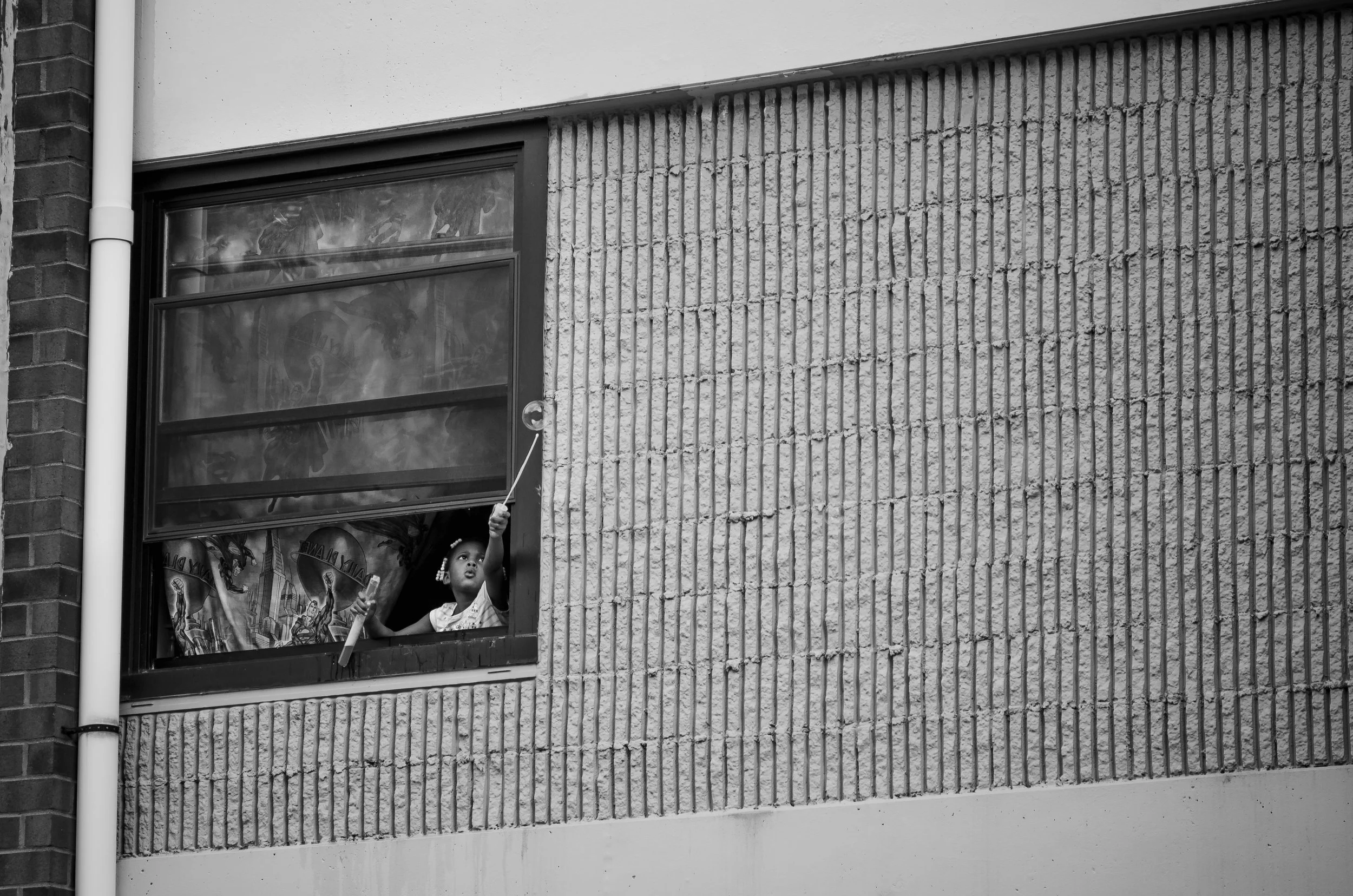
When I first picked up a camera, those were the stories I sought.
I was drawn to storefronts reopening after years of vacancy, volunteer-run events that somehow came together against all odds, and the quiet determination of people building meaningful lives in places that much of the country had long ago dismissed. Again and again, I found evidence that the Rust Belt was more complicated, more creative, and more hopeful than the stories being told about it.
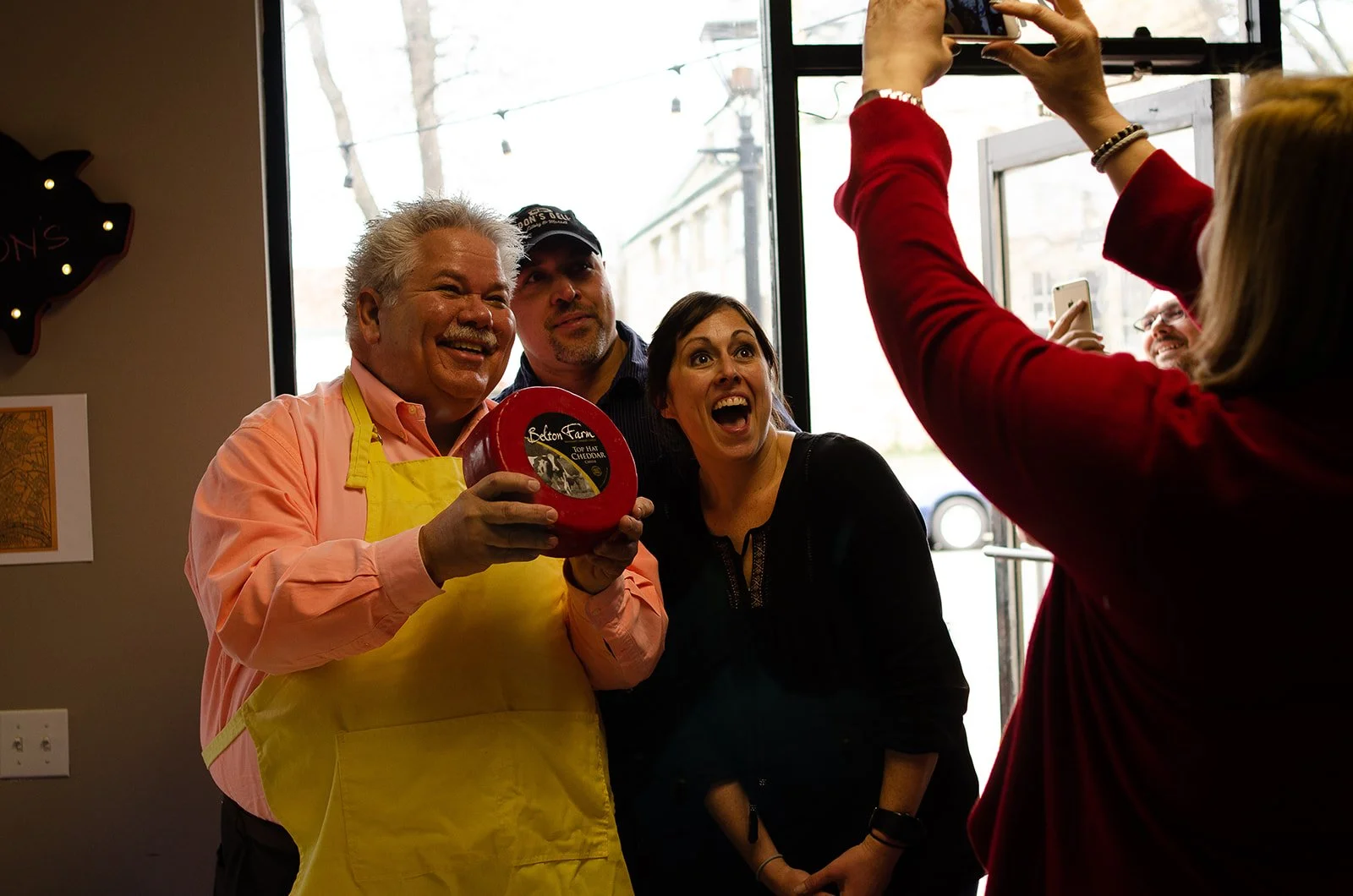
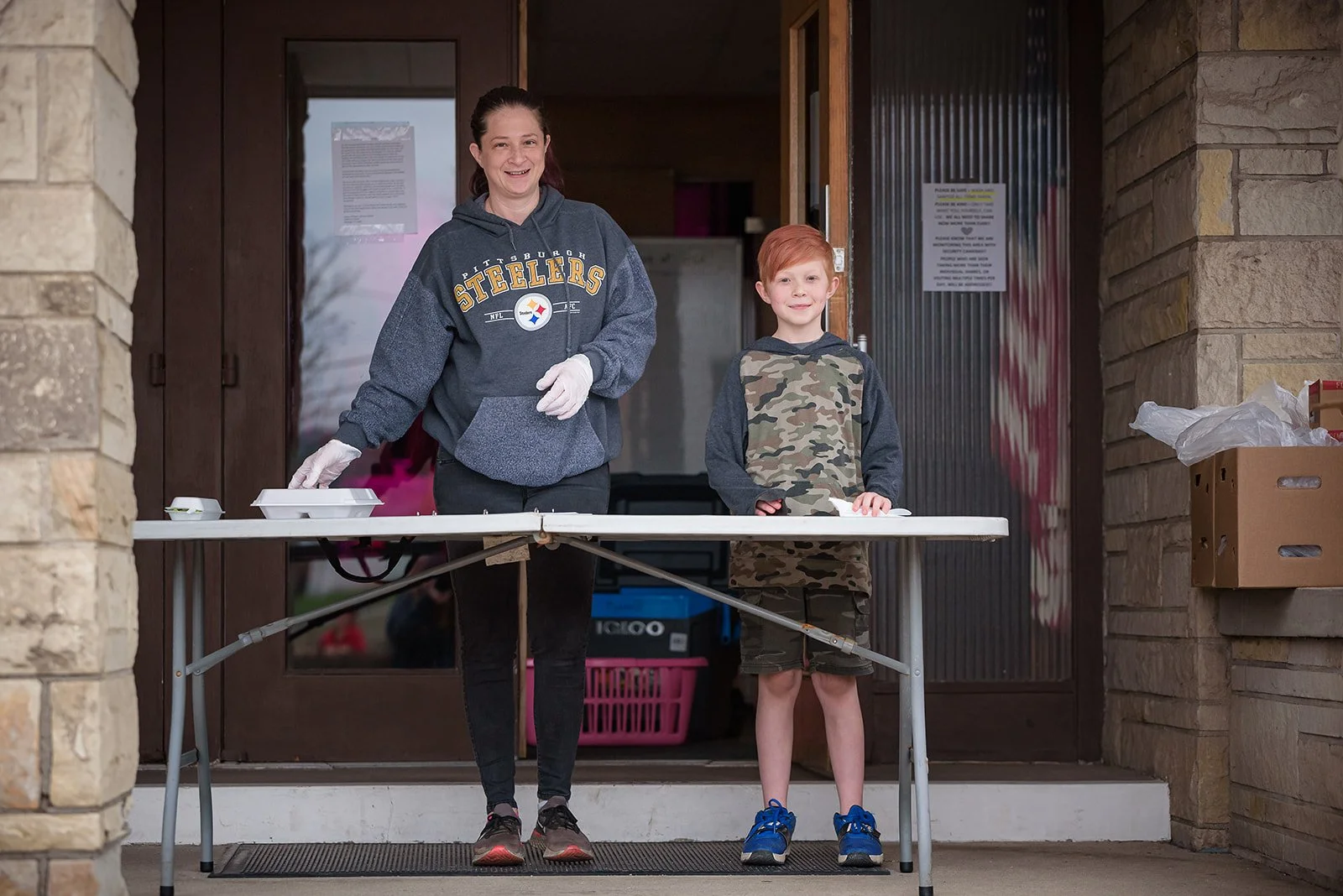
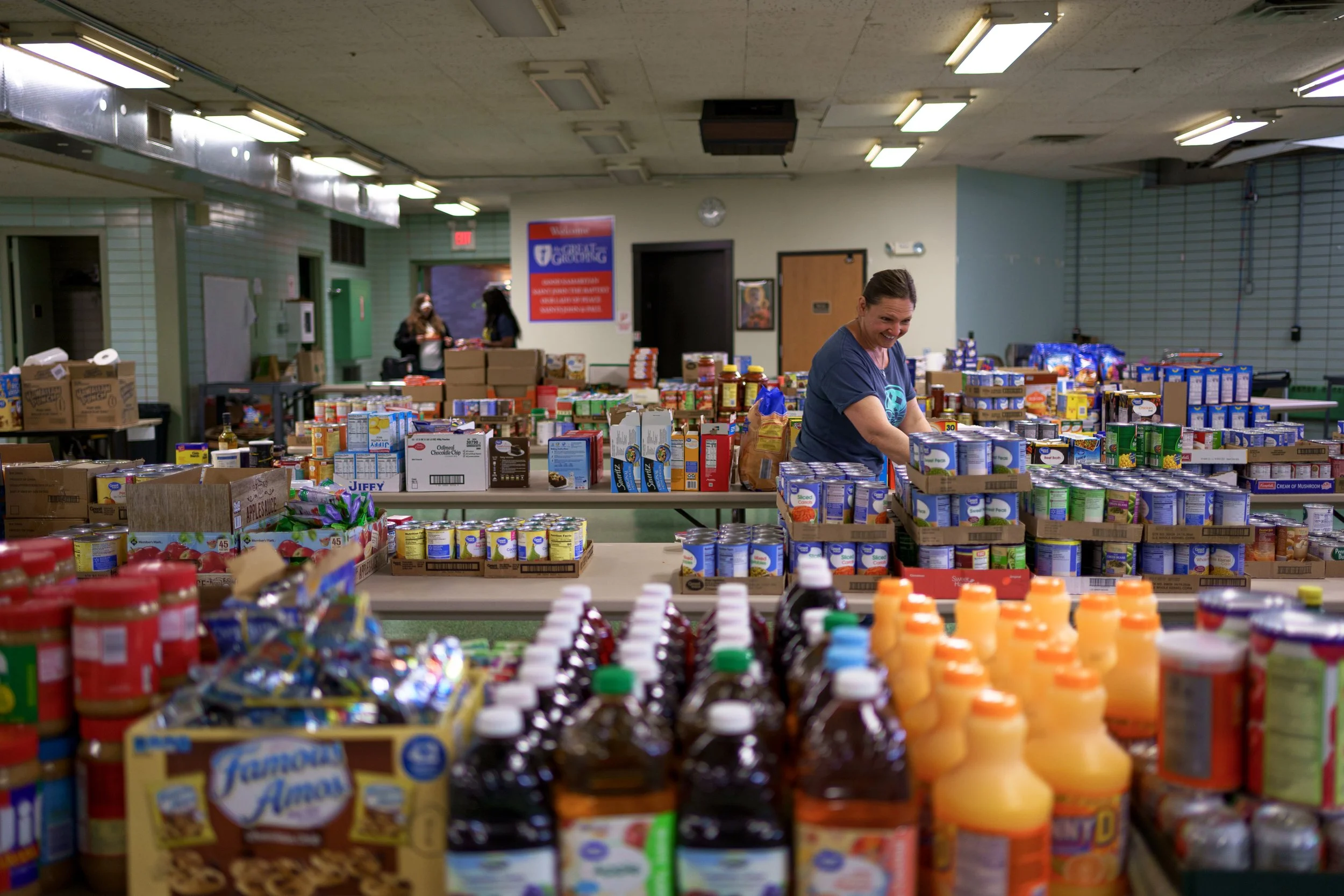
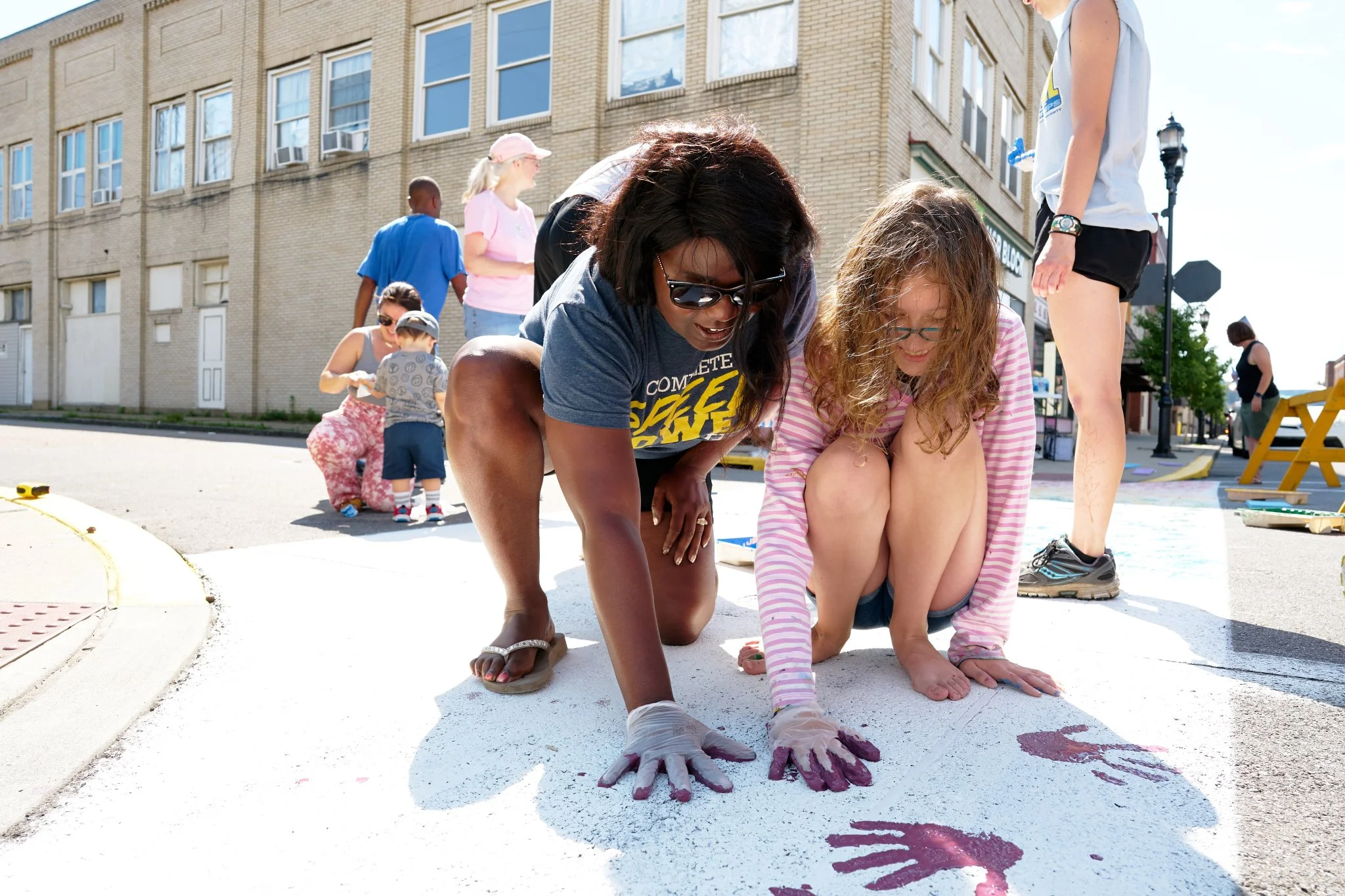
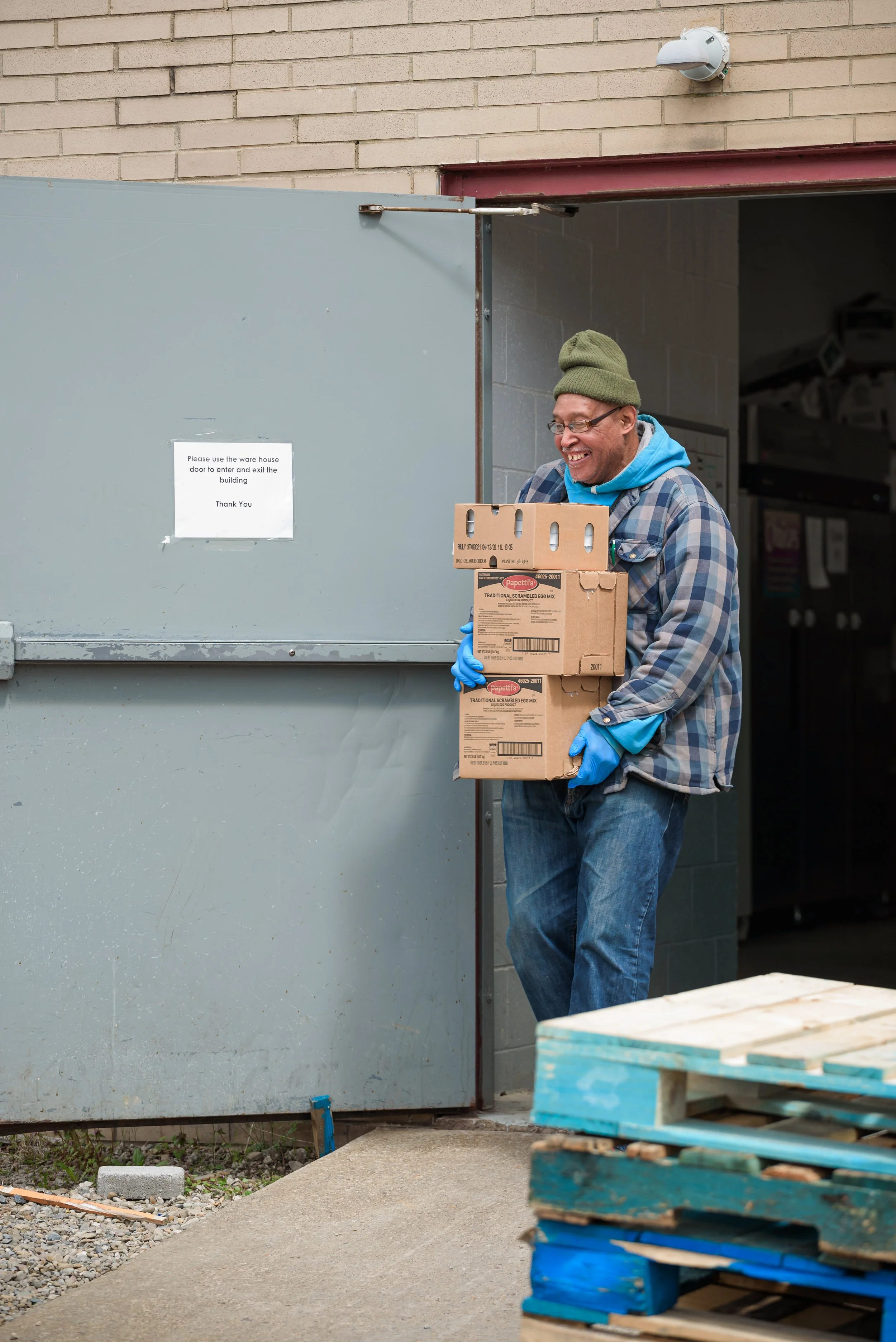
It was a joy for me to bear witness to the beautiful things happening here, and a much-needed outlet for an introvert with a very public life. One that, since my first job out of college, was devoted to stopping the kinds of suffering that so many people in my family and community experienced in a post-industrial landscape where an honest day’s work no longer afforded the raw materials of a good life.
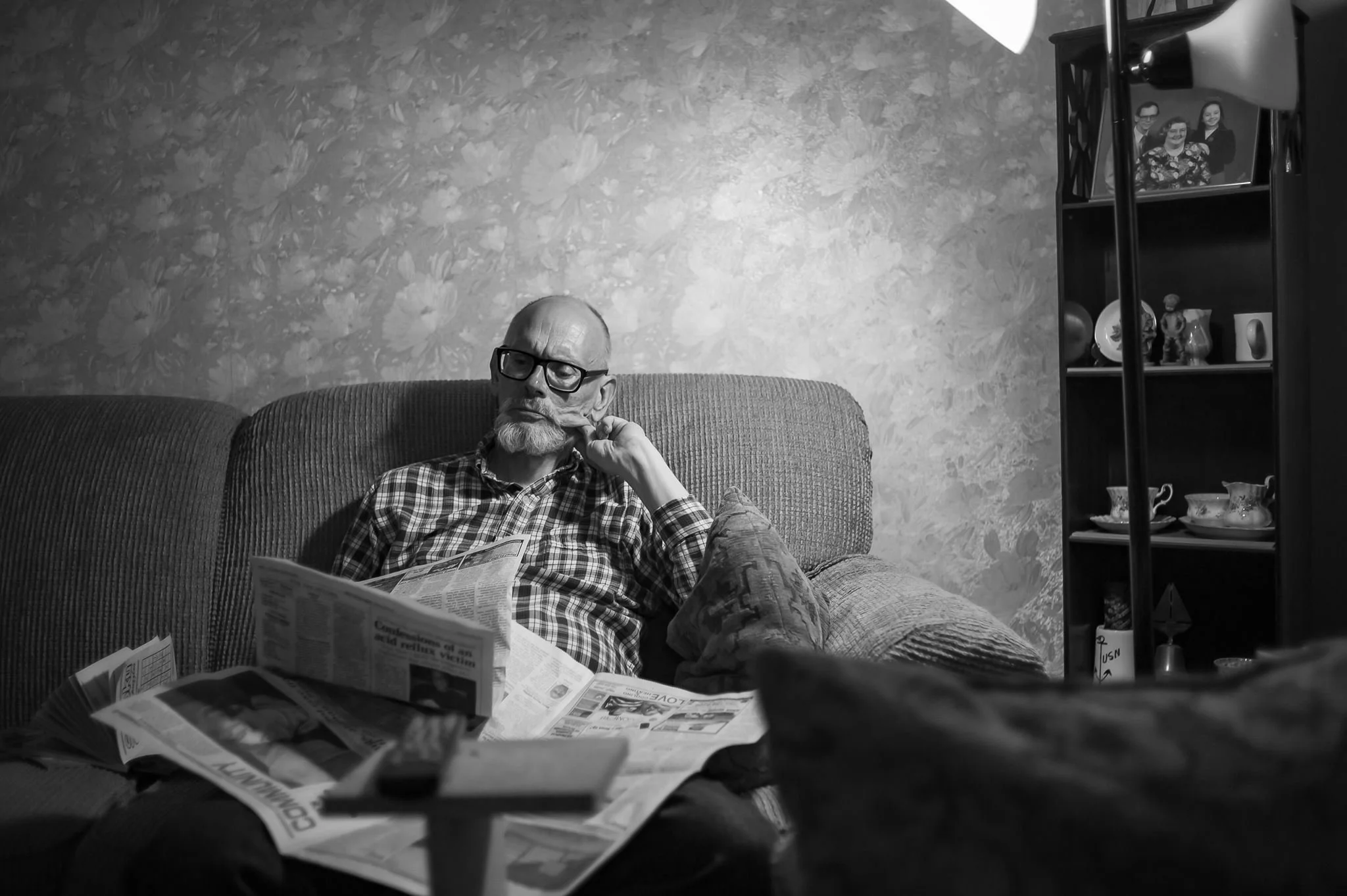
That’s little me in the corner, and my Dad on the couch in the house he grew up in, reading the paper he worked for his whole life. [New Castle, PA, 2017]
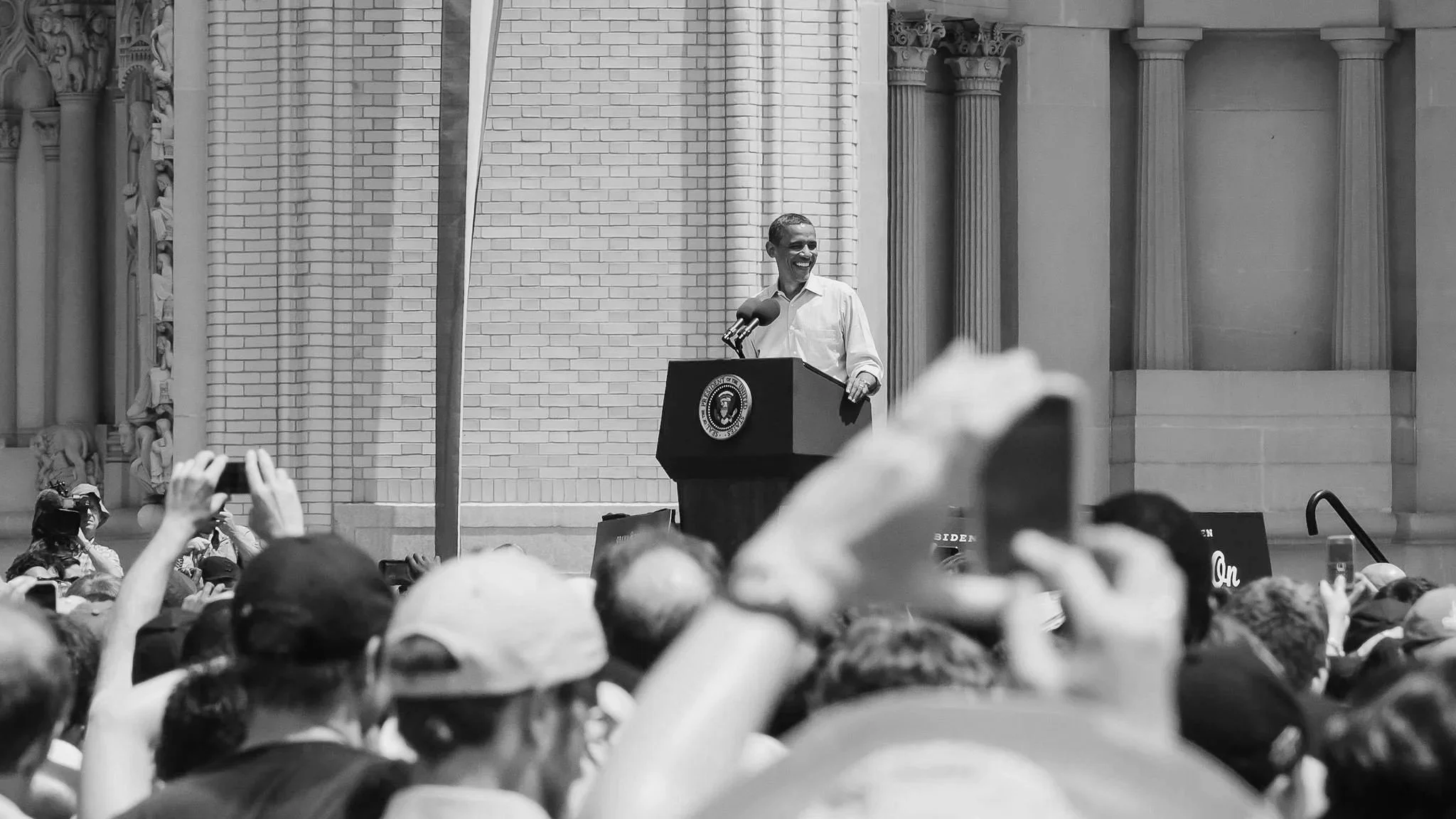
President Barack Obama stops at Carnegie Mellon University to campaign for re-election. [Pittsburgh, PA, 2012]
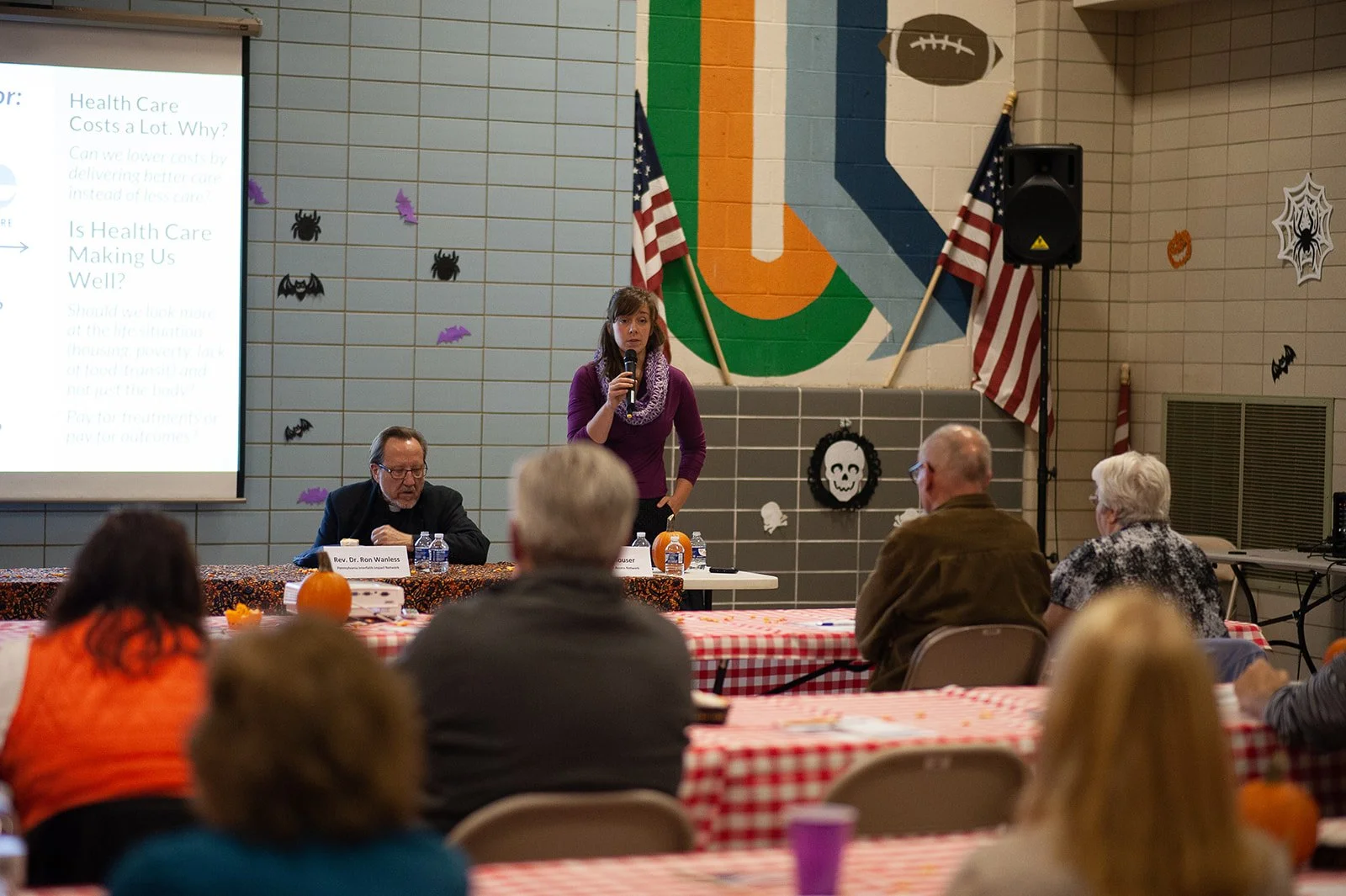
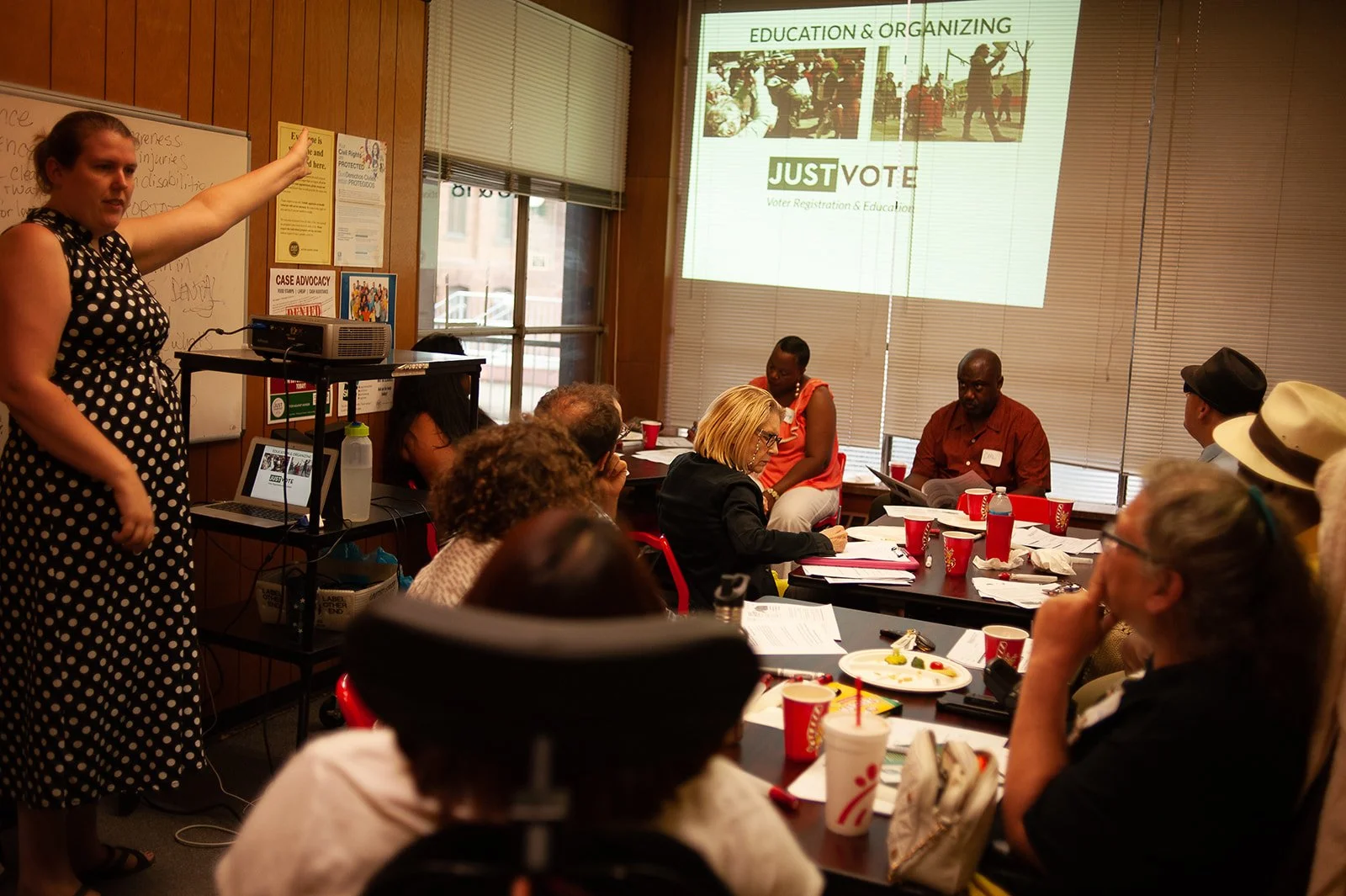
For years, I knocked on doors, organized events, lobbied those in power, and helped people transform their personal pain into policy change. The historic election of our first black president and passage of his signature legislation changed the lives of the people I couldn’t help as a kid. I saw the real human impact of what we can accomplish when we act as our best selves. And, soon thereafter, the real human impact when we don’t.
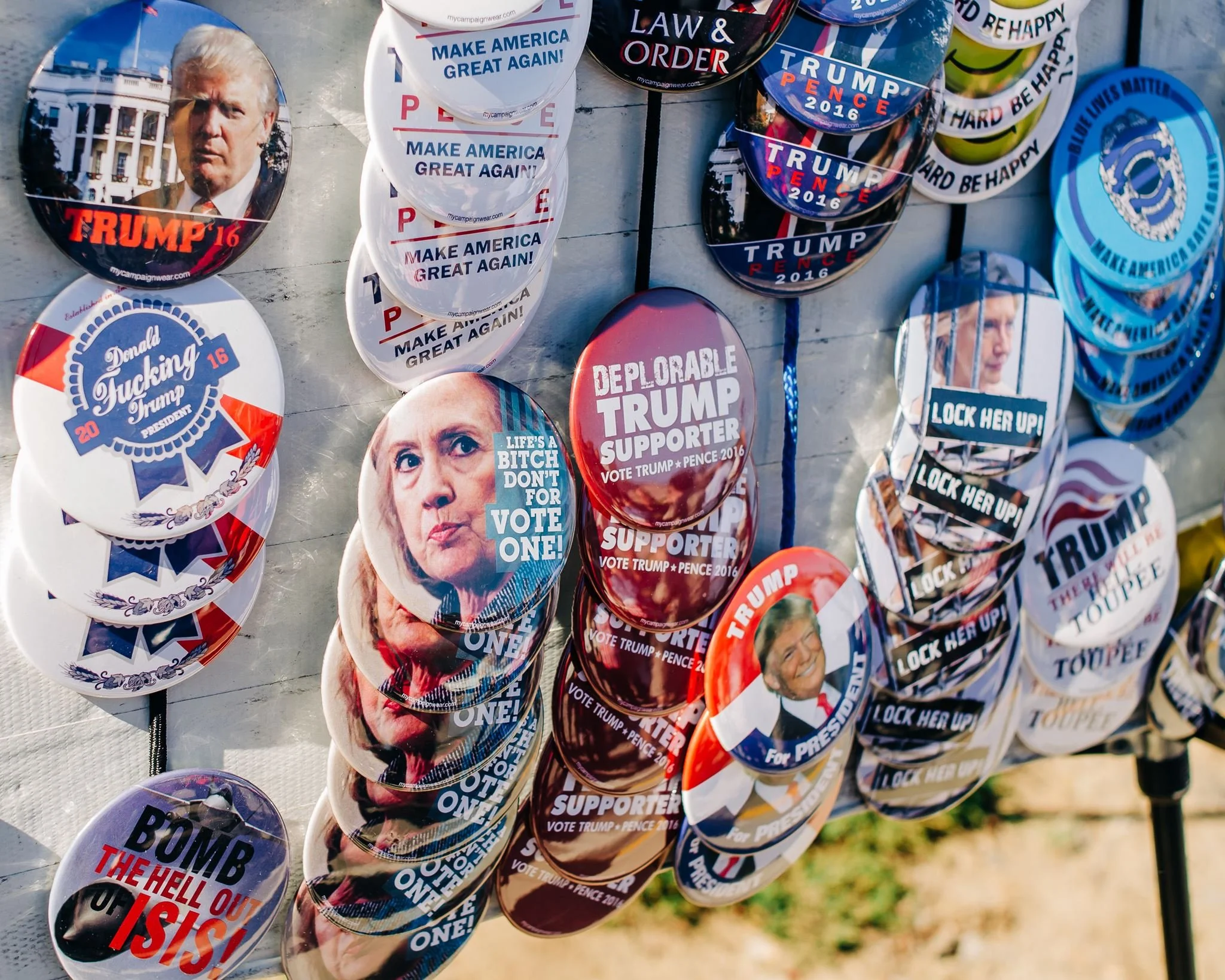
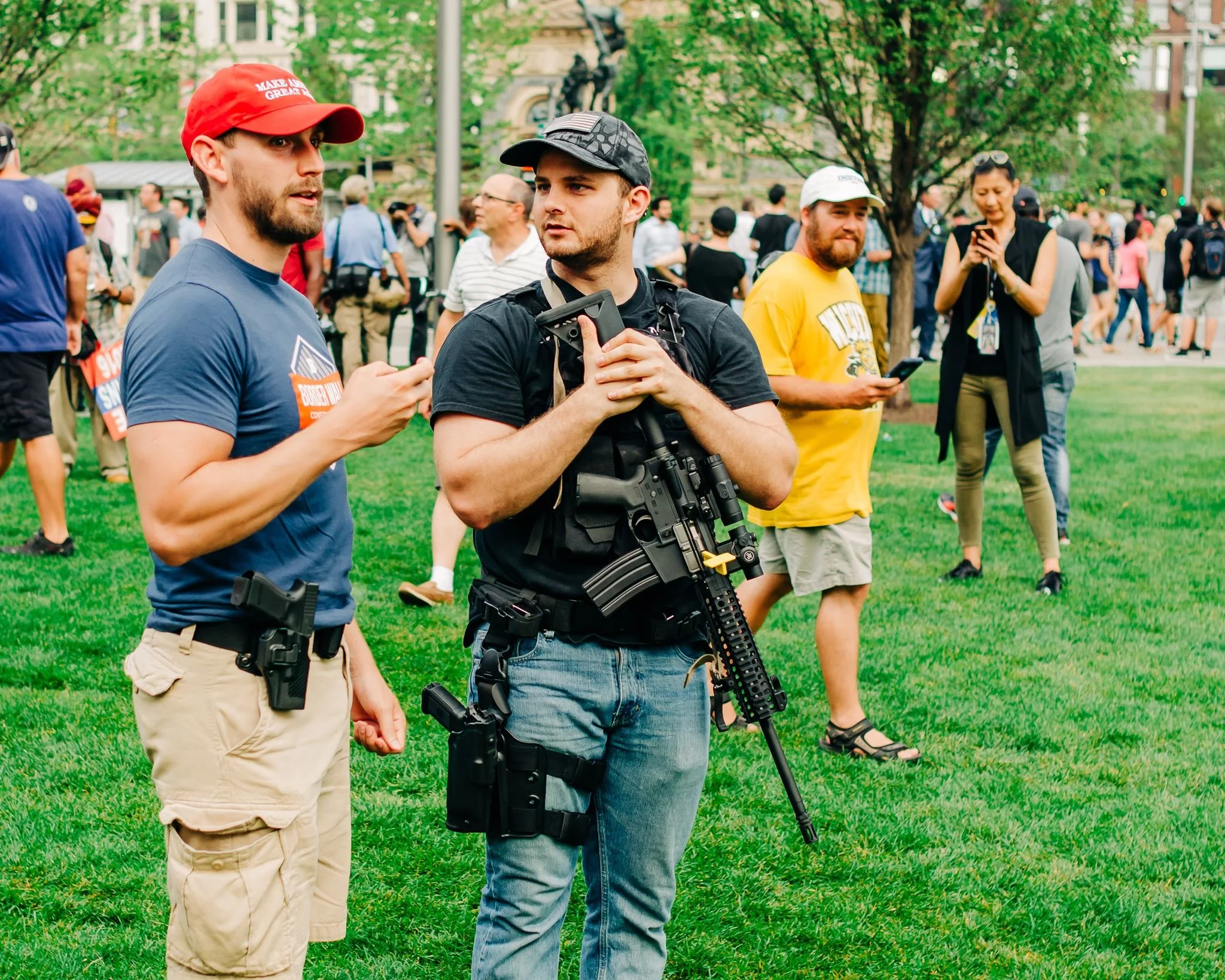
I was prepared to confront the hate, cruelty, disinformation, and division that followed. What I wasn’t prepared for was the collapse of the operating story that fueled my will to fight: that people are, essentially, good, but that we’re all vulnerable to manipulation toward our darker nature when we’re in economic or emotional pain. Win elections and enact policy to alleviate the pain, help people see how manipulators work so they’ll choose to reject those negative influences, and voila! a recipe for a more decent, dignified existence for all of us.
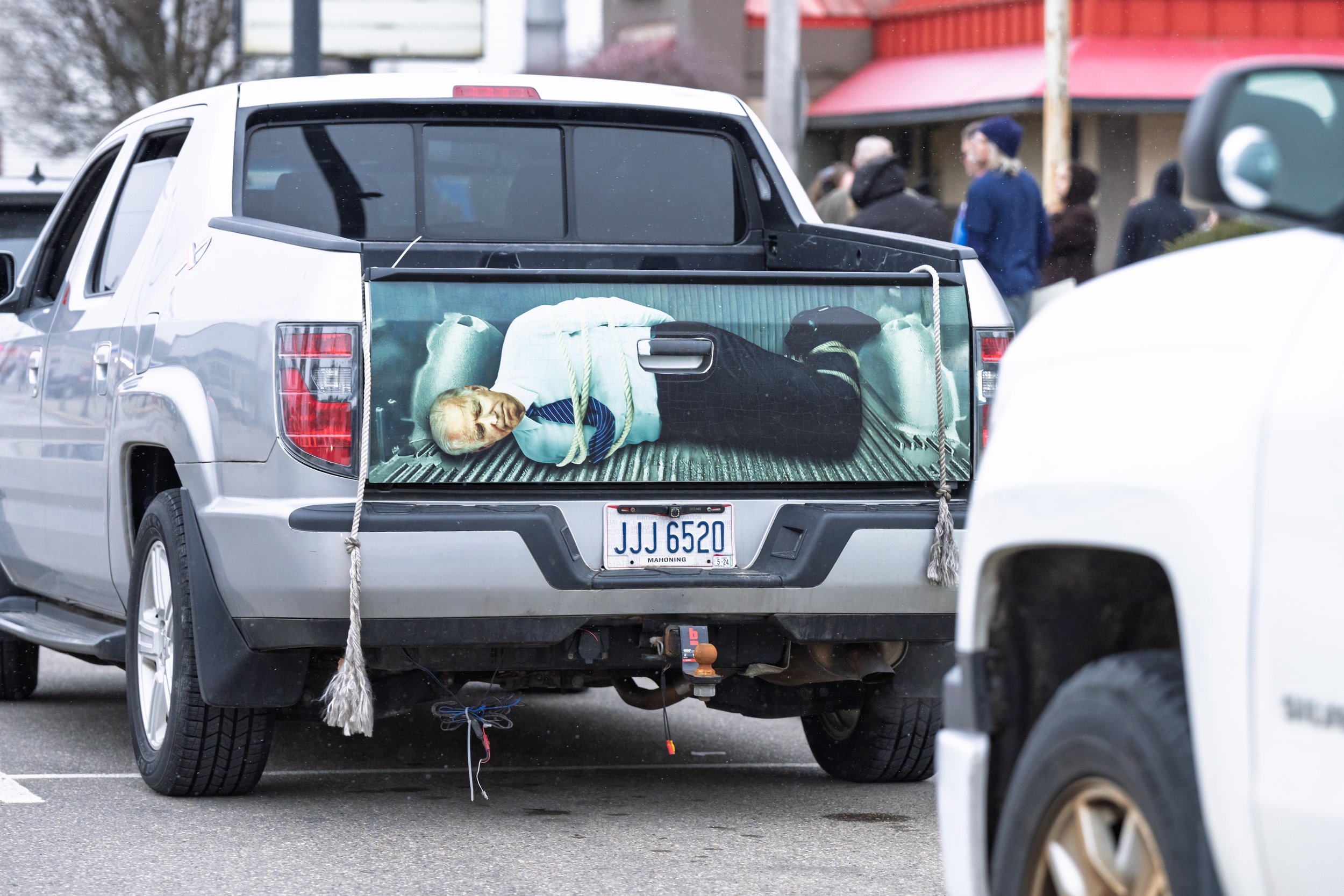
In my 20s and 30s, I genuinely believed we could fix enough things to make room for the kind of ordinary happiness that becomes possible when people aren't constantly fighting to survive. That progress would stick, and there would come a day when we could ease up and enjoy it.
Without consciously deciding to, I’d developed a habit of treating the present as a waiting room, one I would finally exit when… When enough majorities were solid, enough peace and stability achieved, enough darkness driven out by light. The future became a destination that seemed permanently just out of reach, carrying the promise that life would begin in earnest once enough work had been done.
As I approached 40, exhaustion, burnout, and grief sat me down and forced me to think about my thinking. I began to realize how much of my life was organized around circumstances I couldn't control. The world might become better. It might become worse. More likely, it would continue being a mixture of both.
The question, then, became: how to live in the world as it is, not as I’d hoped it would be, and find real joy in it, now, not someday when?
It turns out the answer was right in front of me the whole time. It was in every photo I was lucky enough to make over this past decade that showed where meaning actually lives. Not in outcomes beyond our control or ideal conditions that may never arrive, but in the act of creation, in how and why we care enough to show up.
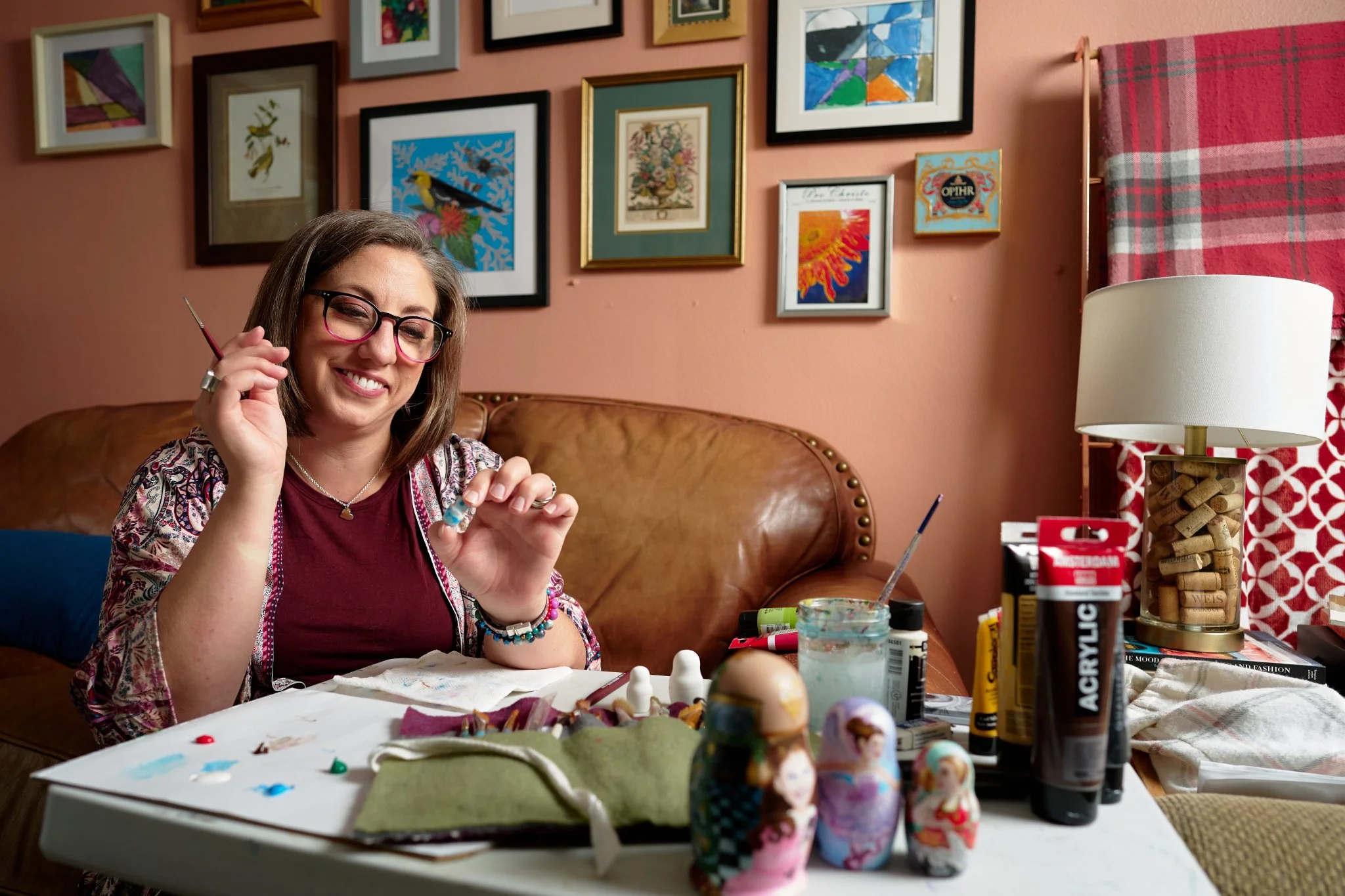
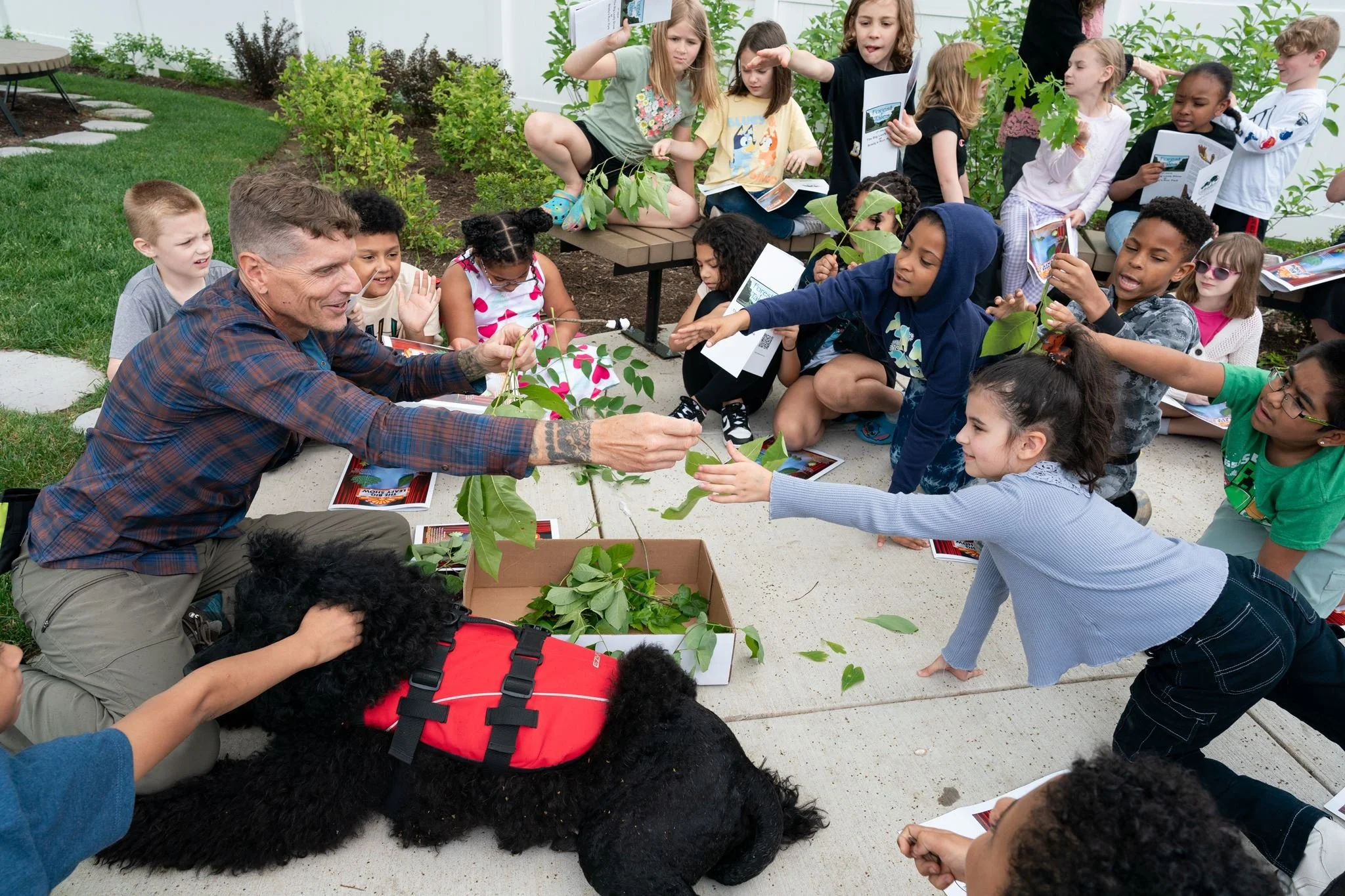
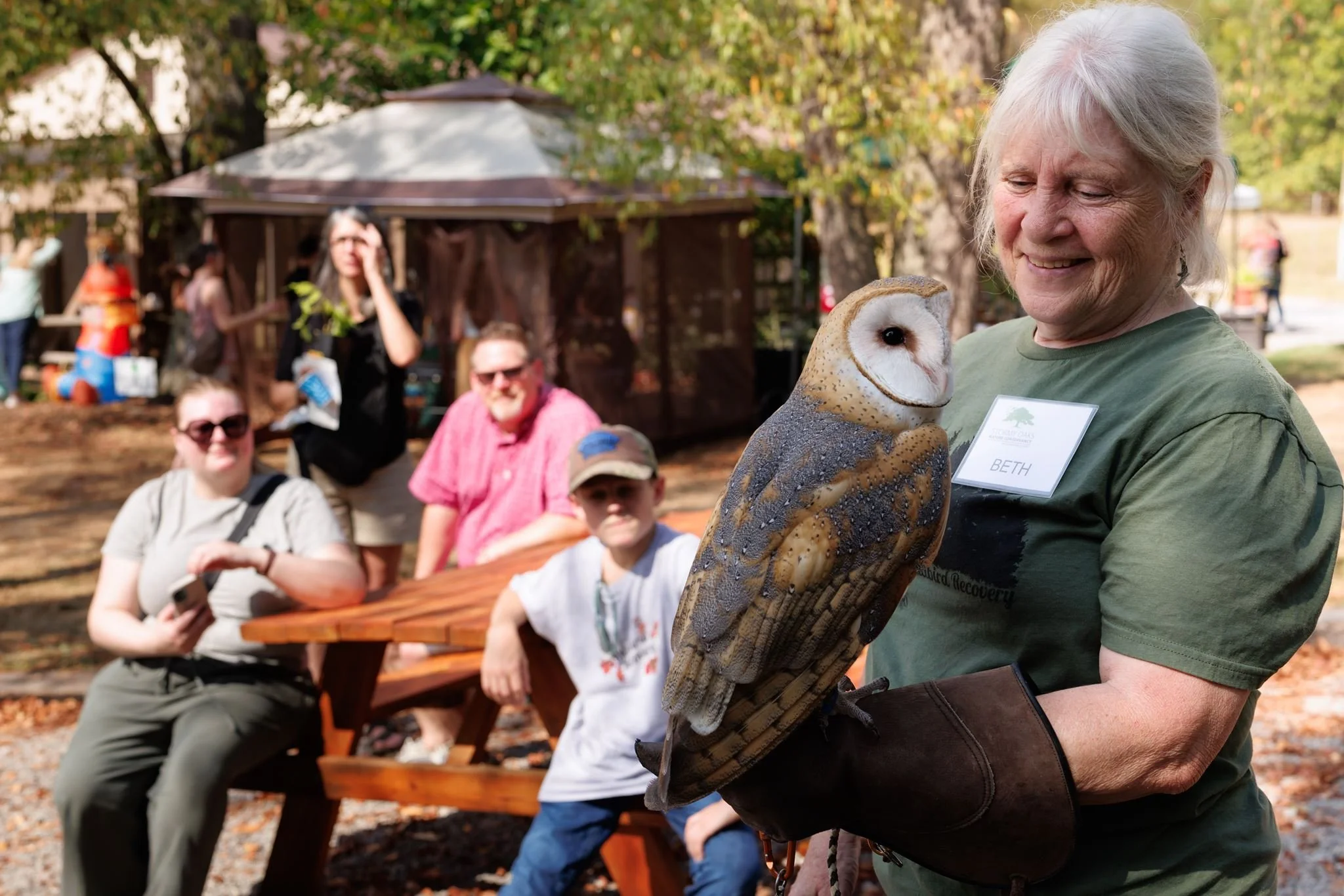
Meaning lives in relationships that deepen over time. It lives in the decision to use your gifts. It lives in the moments when someone becomes fully absorbed in the thing they were meant to do.
More and more, these are the moments I’m drawn to, and the stories I want to amplify - both as an act of hope and as an invitation to know that you, too, have something beautiful to offer that makes our world a brighter, better place.
The artist lost in her work. The musician settling into a song. The community created by our small businesses and non-profits. The person who stops asking for permission and begins trusting what they already know.
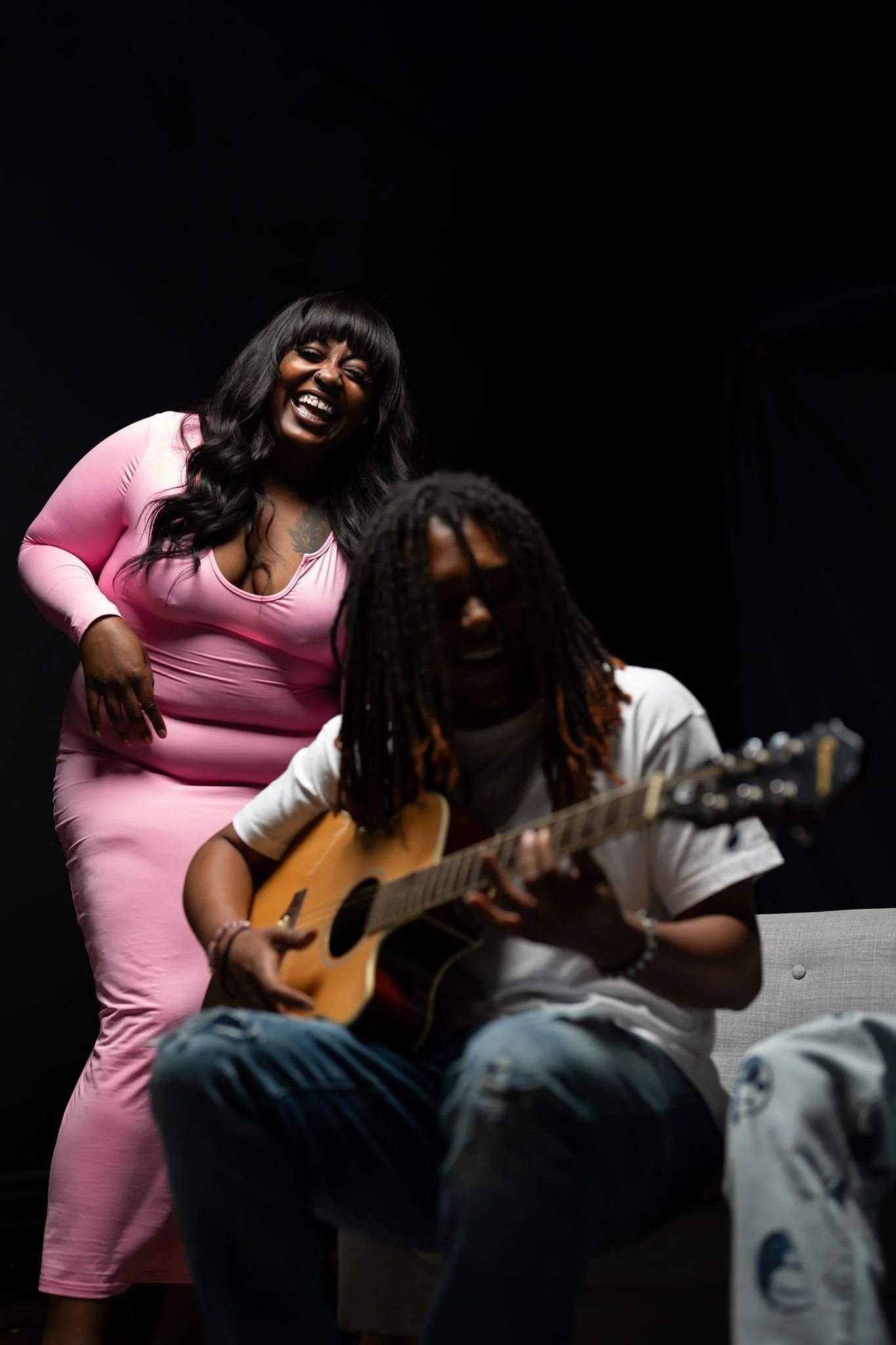
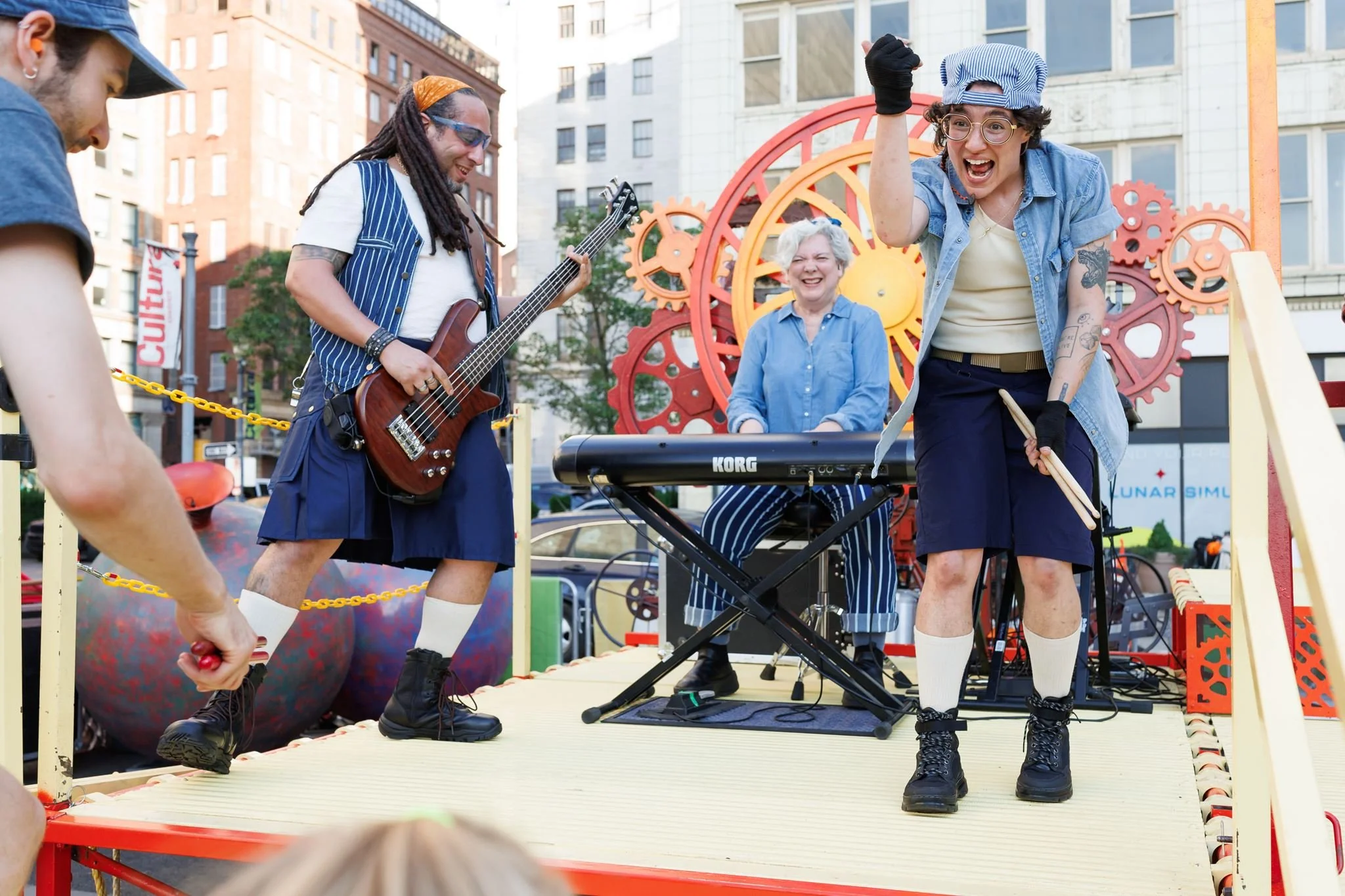
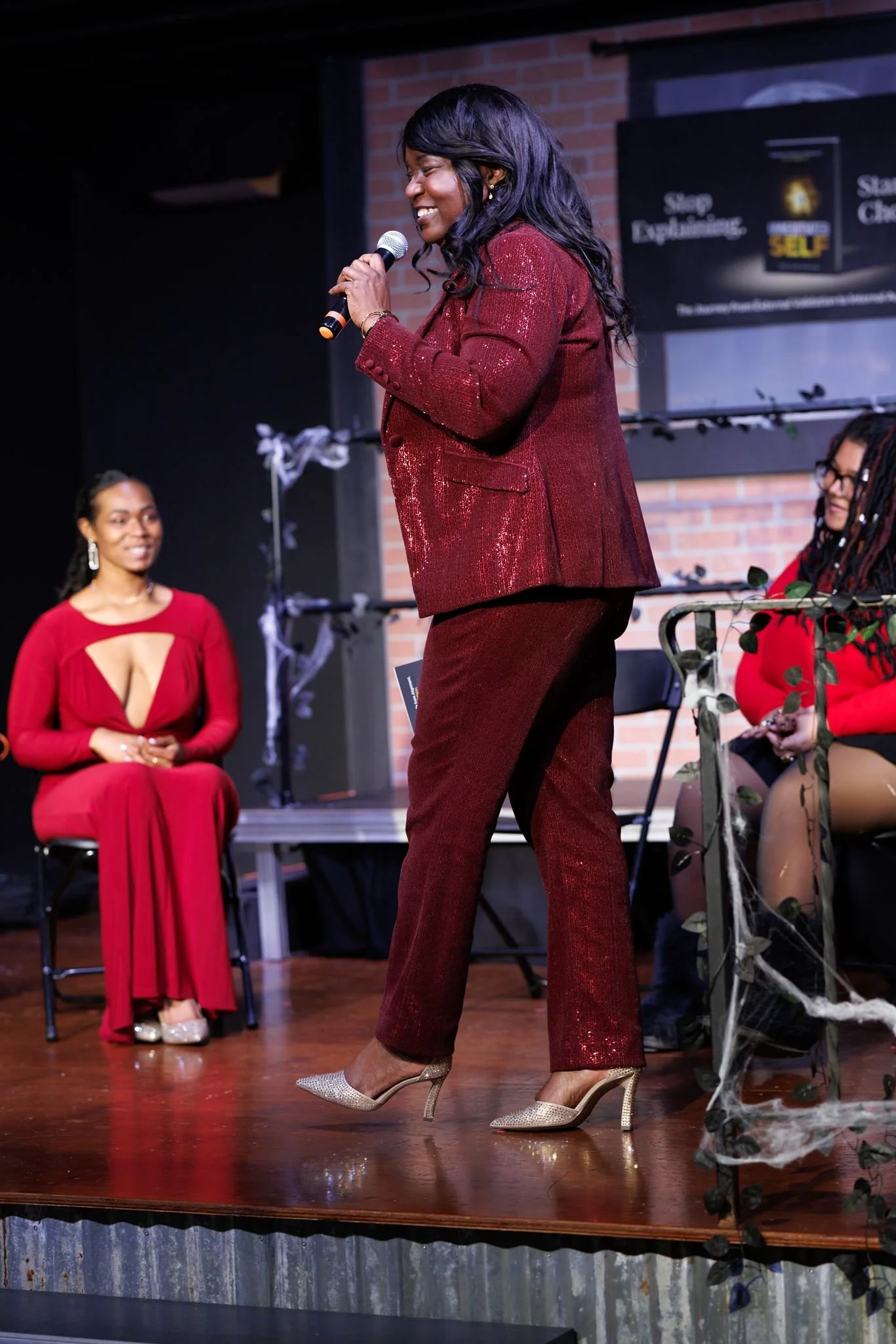
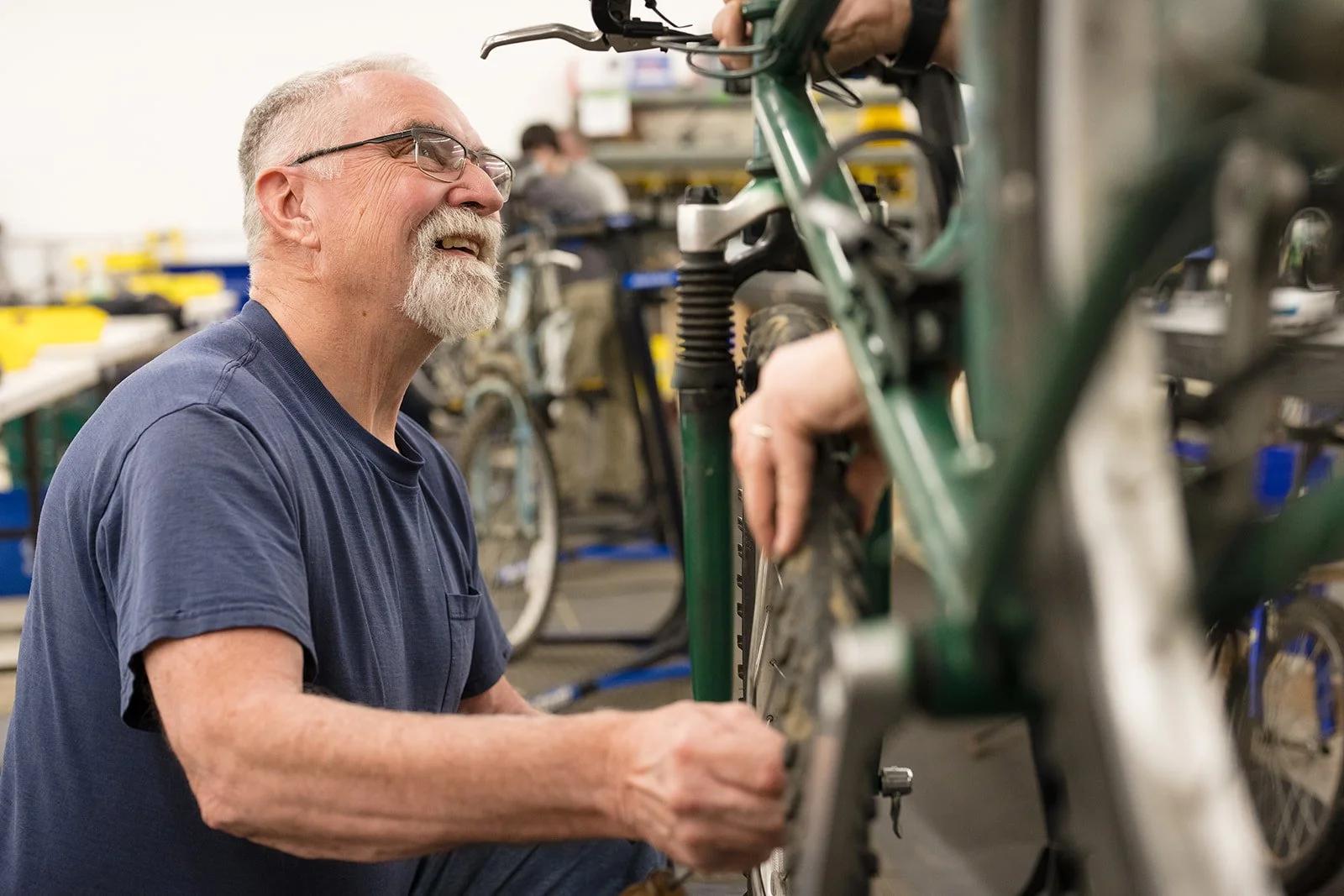
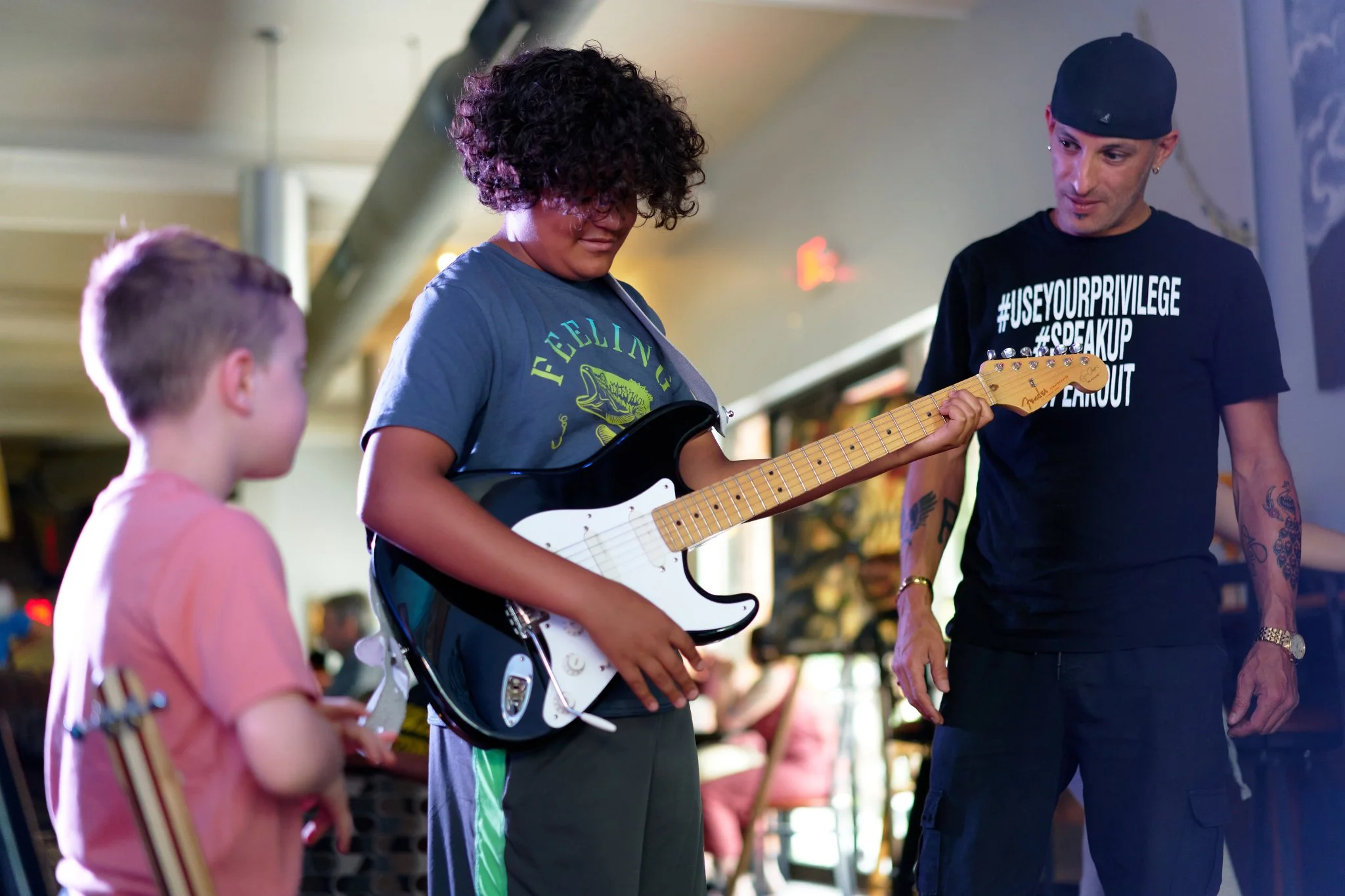
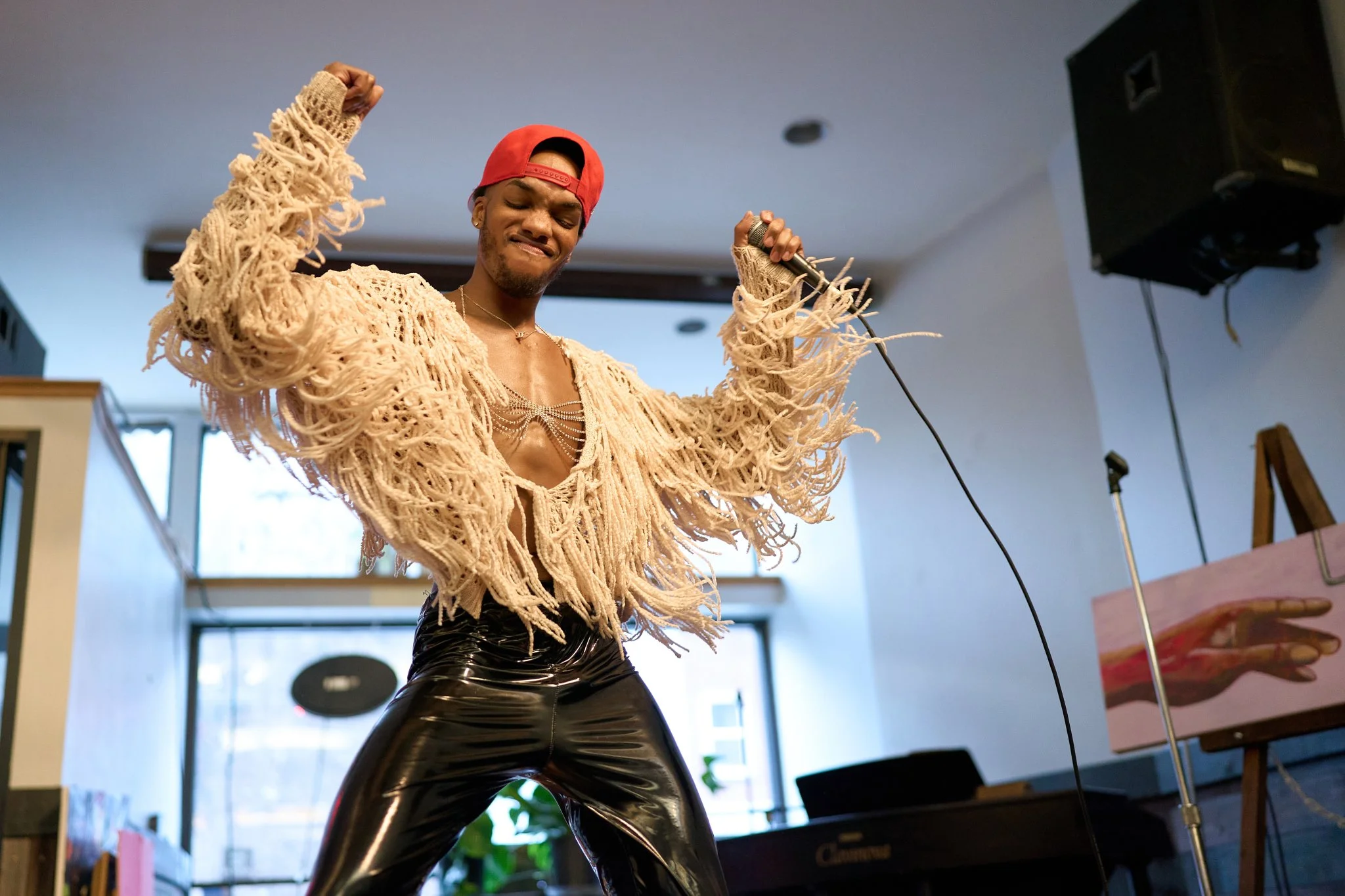
These moments feel connected to the same thread I have been following all along. The difference is that I no longer need Rustbelt Mayberry to hold that thread for me.
The name belonged to a chapter of my life that shaped me in lasting ways. It gave me a framework for understanding the stories I wanted to tell and the values I wanted to uplift. I will always be grateful for that. Over time, though, I found myself wanting less distance between the work and the person creating it. And more honesty about the ways time had changed both me, and the operating story I carried for so many years.
What feels true now is much simpler.
This is my work.
This is my life.
This is my name.
So this Independence Day, Rustbelt Mayberry comes to a close.
The values remain. The curiosity remains. The belief in community remains.
The old name can end. The calling does not.
From here forward, you'll find me, out of the waiting room, as Erin Ninehouser.
[ Creative direction, copy collaboration and huge shot of courage by @heatherdavisinc ]